


Marine Systems Engineering and Modular System Design

In the fast-evolving world of defence technology, modular design has become a game-changer. The marine sector are at the forefront of this revolution, crafting systems that are flexible, efficient, and ready for rapid deployment. The environment perfectly demands the solution that modular systems engineering delvier, but what exactly makes modular design so vital for naval applications? And how do these techniques transform the way marine engineering systems are built and maintained? Let’s dive into the world of naval modular design techniques and explore their impact on modern defence solutions.
Understanding Naval Modular Design Techniques
Modular design is all about breaking down complex systems into smaller, manageable, and interchangeable units or modules. This approach allows for easier upgrades, repairs, and customisation without overhauling the entire system. For naval applications, this means ships and equipment can be adapted quickly to meet changing mission requirements.
Why is this so important? Defence operations demand flexibility. A vessel might need to switch from surveillance to combat roles in a matter of hours. Modular systems make this possible by enabling quick swaps of mission-critical components. This not only saves time but also reduces costs and logistical burdens.
Some key benefits of naval modular design techniques include:
Scalability: Systems can be expanded or reduced based on mission needs.
Maintainability: Faulty or damaged modules can be replaced without affecting the whole system.
Interoperability: Modules designed to standard interfaces can work across different platforms.
Rapid Deployment: Pre-fabricated modules can be installed quickly, speeding up vessel readiness.
Uptime and readiness: modular design enables designers to build in system redundancy according to appropriate failure modes. Critical systems can be made to emeet 'high uptime' through the right-sizing of redundant modules across all known single-points-of-failure.
These advantages align perfectly with the goals of organisations like EDGE Defence Ltd, which aims to lead in modular mission-critical defence equipment in New Zealand. By leveraging modular design, they ensure operational readiness and technological superiority.

What is Naval Architecture for Marine Engineering Systems?
Naval architecture is the science and art of designing ships and marine structures, that serve a specific purpose or operating profile. It involves understanding how vessels behave in water, ensuring stability, strength, and efficiency. When combined with marine engineering, it covers everything from hull design to propulsion and onboard systems.
In the context of modular design, naval architecture plays a crucial role. Architects must design vessels that can accommodate modular units without compromising structural integrity, performance or safety. This requires precise planning and innovative engineering solutions.
For example, a modular weapons system must fit seamlessly into the ship’s framework, with considerations for weight distribution, power supply, and cooling. Similarly, modular communication or sensor arrays need to be integrated without interfering with other systems.
The collaboration between nav-arch's and marine systems engineers ensures that modular systems are not just add-ons but integral parts of the vessel’s design. This holistic approach enhances mission effectiveness and future-proofs naval assets.
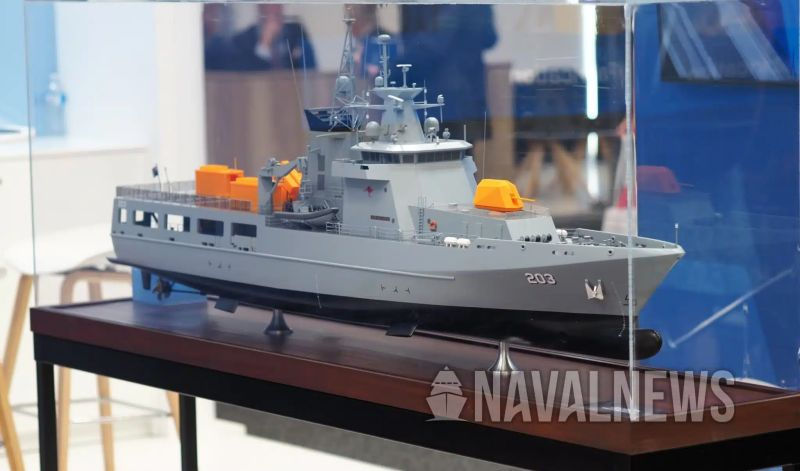
Practical Applications of Modular Systems in Naval Engineering
Modular design is not just theory; it’s actively shaping naval projects worldwide. Here are some practical examples where modular systems have made a significant impact:
Mission Modules on Littoral Combat Ships (LCS): These ships use interchangeable mission packages for surface warfare, mine countermeasures, or anti-submarine warfare. The modules can be swapped in port, allowing the ship to adapt quickly to different threats.

Example of a containerised ASW system by Ulta Maritime, which will enable smaller manned and unmanned surface vessels to greatly increase their anti-submarine warfare (ASW) capabilities. Modular Power Plants: Instead of a single large engine room, some vessels use modular power units. This setup allows for easier maintenance and upgrades, reducing downtime.

A containerised battery energy storage system from Corvus enables fast onboard integration of a type approved ESS for both hybrid and fully electricl vessels Containerized Systems: Communication, command, and control systems are often housed in containerized modules. These can be loaded onto different ships or even land bases, providing flexibility in deployment.
Weapon Systems: Modular missile launchers or gun mounts can be installed or removed based on mission needs, enhancing the ship’s combat capabilities without permanent alterations.

SH Defence 20ft Cube Module containing the Kongsberg Navy Strike Missile (NSM) allows fast deployment of common strike systems across a varying platform types, without the risk of sunk capital in an ageing fleet, allowwing expensive weapons systems to be transferred to new platforms as old ones are decommissioned.
These examples highlight how modular design supports operational agility. Defence forces can respond faster, maintain equipment more efficiently, and extend the service life of their assets.

Challenges and Considerations in Modular Naval Design
While modular design offers many benefits, it also presents unique challenges. Marine Systems Engineers must navigate these to ensure successful implementation:
Standardisation: Modules must adhere to strict standards to guarantee compatibility across platforms. Without this, the whole system risks becoming fragmented.
Integration Complexity: Combining multiple modules requires sophisticated interfaces and control systems. Ensuring seamless communication between modules is critical, in order to achieve true integration and ecosystem effectiveness.
Weight and Space Constraints: Ships have limited space and weight margin through to end of life. Modular units must be designed to fit within these limits without compromising stability or ship keeping performance.
Environmental Durability: Modules must withstand harsh marine environments, including saltwater corrosion, vibration, shock and temperature extremes.
Security: Modular systems can introduce vulnerabilities if not properly secured, especially in cyber-physical domains.
Addressing these challenges demands close collaboration between OEM's, System Integrators and operators. Continuous testing and feedback loops help refine modular solutions to meet operational demands. To successfully deliver modular systems in any Navy, we as Systems Integrators need access to the operators and OEMs to complete the true problem statement and deliver a fit-for-purpose solution that meets MVC (minimum-viable-capability) requirements.
The Future of Naval Modular Design and EDGE Defence Ltd’s Role
Looking ahead, modular design will only grow in importance. Emerging technologies like artificial intelligence, autonomous systems, and advanced materials will be integrated into modular units, making naval platforms smarter and more capable.
EDGE Defence Ltd is positioned to lead this transformation in New Zealand. By focusing on modular mission-critical defence equipment and integrated solutions, we are setting new standards for operational readiness with the speed of development that is typically unmatched in the Defence market. Our approach ensures that defence forces have access to cutting-edge technology that can be rapidly deployed, adapted and sustained with full through life support services.
For the New Zealand and Australian Navies seeking to enhance their naval capabilities, embracing modular design is no longer optional - it’s essential. The ability to quickly reconfigure systems, maintain equipment efficiently, and incorporate new technologies will define the next generation of naval power.
Modular design is reshaping naval engineering, offering unmatched flexibility and efficiency. As defence challenges evolve, so too must the systems that protect and serve. With innovative approaches and expert engineering, the future of naval defence looks modular, adaptable, and ready for anything.

Comments